Specialist on Standby: Using Virtual Tools to Extend the Reach of Specialty Care
Bridging the specialty care divide
Across the U.S., access to specialty care remains uneven. In many communities, especially rural and underserved regions, patients wait months for appointments in cardiology, dermatology, or rheumatology. The Association of American Medical Colleges projects a shortage of up to 86,000 physicians by 2036, with the steepest gaps in specialty fields.
These delays don’t just frustrate patients; they worsen outcomes. When people can’t see a specialist promptly, chronic conditions progress unchecked, emergency department use rises, and costs soar. Health systems and payers are now turning to digital tools to change that story, using technology to make expert care available anywhere.
A new model for specialty access
Virtual specialty care isn’t new, but its role has transformed. What began as pilot projects for dermatology image reviews or remote stroke consults has evolved into a scalable, system-wide solution.
Health systems today are blending teleconsults, remote diagnostics, and e-consults into their clinical workflows. These approaches connect primary care teams with specialists in real time, improving triage and continuity while reducing unnecessary referrals.
During and after the COVID-19 pandemic, temporary CMS reimbursement flexibilities proved that virtual specialty visits could be safe, effective, and patient-preferred. While some of those flexibilities expired in late 2025, many important elements remain, particularly for behavioral health and certain consultative services.
At the same time, many state Medicaid programs and commercial payers continue to reimburse for tele-specialty consults, recognizing their value in reducing travel burdens and expanding equitable access.
How technology is closing the distance
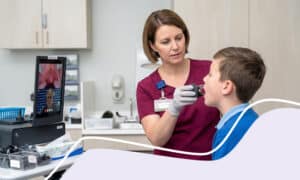
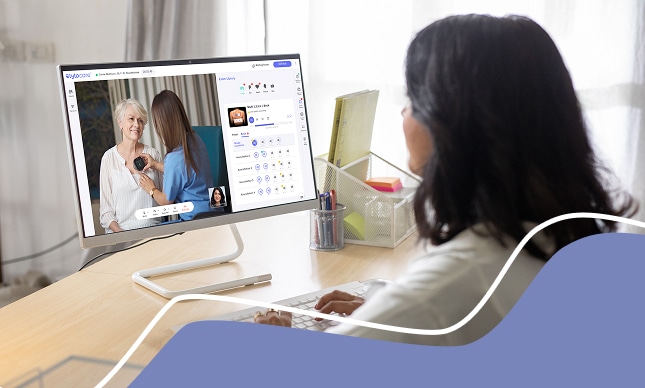
Modern virtual-exam platforms are bringing specialists closer to patients than ever before. Advanced connected-care tools, such as TytoCare, now replicate the core components of a physical exam, including heart and lung sounds, ear and throat images, and skin assessments, with remarkable accuracy.
For example, the TytoCare Pro Smart Clinic enables clinicians to capture and securely share high-quality exam data with remote specialists. A primary-care clinician can perform the exam, then transmit the recordings instantly for review, effectively turning any clinic into a specialty-care access point.
This approach is already changing how specialists practice. In a webinar from the American Telemedicine Association, Futureproofing Access to Care: A Discussion with Healthcare Leaders, Dr. Alvin Wells, a rheumatologist and former regional director at Advocate Aurora Health, described how his team used TytoCare to replace costly locum tenens coverage.
“We gave a 30-day notice and replaced two clinics’ locum coverage with TytoCare,” Dr. Wells explained. “Patients come in, the nurse checks them in, and I connect remotely for the full exam. We cut our $5 million locum staffing spend almost in half.”
With the ability to visualize joints, skin, and oral lesions remotely, Dr. Wells’ team provided timely care for conditions like rheumatoid arthritis and lupus, often triaging urgent cases within seven days. “It really changed my whole view of rheumatology,” he said. “It’s a game-changer for access and quality.”
Benefits across the care continuum
For patients, virtual specialty care means faster access to expert opinions without traveling long distances or taking time off work. Many conditions, like skin disorders, medication monitoring, or chronic disease management, can be addressed virtually, keeping care local and continuous.
For providers, it enhances collaboration between primary and specialty teams, allowing shared decision-making and smoother care coordination. It also helps specialists prioritize urgent cases, improving both efficiency and outcomes.
For health systems, the model delivers measurable returns: lower readmission rates, reduced emergency department visits, and extended specialty coverage without additional full-time hires or physical expansions.
Leading use cases shaping the field
- Teledermatology: Image-based consults now achieve diagnostic accuracy comparable to in-person dermatology exams.
- Telecardiology: Remote ECG review and virtual auscultation allow early detection of cardiac issues and support long-term follow-up.
- Telepulmonology and ENT: Connected stethoscopes and AI-powered sound analysis help clinicians identify respiratory conditions earlier.
- Telerheumatology: As Dr. Wells’ example shows, digital exams can safely extend complex, high-touch specialty care into community clinics.
Navigating policy and preparing for the future
Despite progress, challenges remain. The regulatory landscape for telehealth reimbursement continues to evolve: originating site rules, cross-state licensure, and EHR interoperability vary widely. Health systems are responding by adopting hybrid models, blending in-person and virtual workflows to maintain flexibility as policies shift.
Looking ahead, AI-driven triage, data interoperability, and patient-generated health data will redefine how specialty care is delivered. The goal is clear: move from geography-based to expertise-based access, where the right specialist is available when and where the patient needs them.
The bottom line
Virtual specialty care isn’t a futuristic vision; it’s a present-day reality reshaping how health systems deliver expertise. From remote rheumatology to virtual cardiology, digital tools are extending the reach of specialists, improving outcomes, and reducing costs.
By embracing these technologies and advocating for sustained reimbursement and interoperability, healthcare leaders can ensure that specialty care is guided by need, not by zip code.


Latest Blogs