Bridging the Gap: How Rural Providers Are Expanding Reach Without Expanding Staff
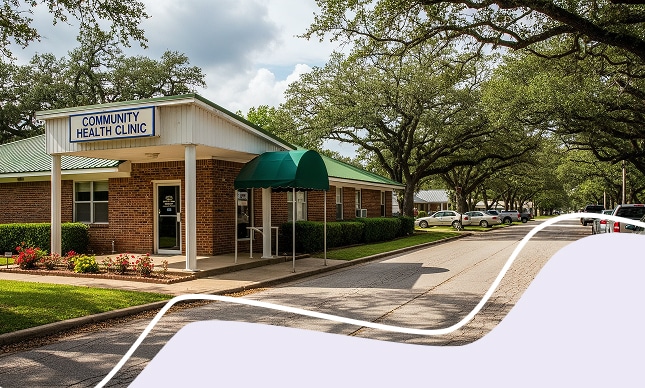
Across the U.S., rural healthcare providers are being asked to do the impossible: serve more patients with fewer people and tighter budgets. But instead of scaling up staffing, something few can afford, many are finding smarter ways to extend their reach. From hybrid clinics and remote specialists to virtual tools and community partnerships, rural systems are rewriting the rules of what’s possible when you can’t hire your way out of a challenge.
The Access Challenge in Rural America
Rural communities make up about 80% of the nation’s land but only 20% of its population. That geography alone creates a huge access gap. Since 2010, more than 180 rural hospitals have closed or switched to non-inpatient models, and nearly one in three that remain are now considered at risk, according to The Chartis Center for Rural Health’s 2025 Rural Health Report. In total, 432 rural hospitals are vulnerable, according to Becker’s Hospital Review.
When a rural hospital closes, the effects are far-reaching: emergency response times increase, local jobs disappear, and patients are forced to travel hours for basic care. And every closure makes it even harder to recruit and retain clinicians.
That shortage is already severe. More than half of rural U.S. counties are classified as Health Professional Shortage Areas (HPSAs) for primary care, behavioral health, or nursing, according to the Rural Health Information Hub. Recruiting doctors, nurses, and specialists to remote areas is difficult for reasons that go beyond pay; professional isolation, limited support, and fewer resources are all part of the equation. Between 2021 and 2023, nearly 100,000 nurses left the workforce, with rural hospitals and clinics among the hardest hit, according to the National Rural Health Resource Center.
From Montana to Mississippi, these workforce gaps are creating pressure points in communities that already struggle with distance and declining infrastructure. But amid these challenges, rural systems are proving that innovation doesn’t require more people, just smarter ways to connect them.
Doing More with the Team You Have
Hiring isn’t always an option. Instead, rural leaders are turning to creative, tech-powered ways to help their teams care for more people without burning out.
With the right digital tools, a single nurse practitioner can see patients across multiple sites and connect in real time with remote specialists. The goal isn’t to replace staff; it’s to help every clinician work at the top of their license.
As Health Facilities Management Magazine notes, rural hospitals face unique hurdles in attracting staff, from long commutes and limited childcare to fewer training opportunities. By rethinking workflows and leveraging technology, providers can make life easier for the teams they already have.
Innovation in Action
Many rural health systems are finding creative, sustainable ways to keep care close to home, proving that rural innovation is alive and well in places like Iowa, Kentucky, and New Mexico.
- Community-Based Virtual Care Hubs:
Across the country, rural providers are turning everyday spaces, including schools, libraries, fire stations, and community centers, into access points for care. By equipping these hubs with connected exam devices, local nurses or facilitators can connect patients to remote clinicians in real time. These “hub-and-spoke” models, supported by the American Hospital Association, extend capacity without adding staff or building new clinics.
- Hybrid Clinics and Remote Collaboration:
In smaller hospitals or critical access sites, nurses and physician assistants can now perform full physical exams guided remotely by physicians. Platforms like TytoCare’s Pro Smart Clinic enable high-quality heart, lung, ear, and throat exams that off-site providers can review live or asynchronously, depending on connectivity.
- Care That Works Even Offline:
Internet access remains one of the biggest barriers to rural telehealth. TytoCare’s latest Pro Smart Clinic update allows clinicians to perform exams offline and upload results automatically once connectivity is restored. That means care doesn’t stop, even in areas with spotty broadband or on mobile routes.
These models all have one thing in common: they let providers deliver more care without adding more people, proving that technology can amplify the impact of local clinicians rather than replace them.
What Happens When It Works
For patients, this shift means care that’s closer, faster, and more consistent. For clinicians, it means more support, less burnout, and the ability to focus on what matters most. And for communities, it keeps hospitals viable and local economies stable.
Early data from rural health systems using hybrid and virtual-enabled models show:
- Less travel and fewer emergency visits: Virtual-enabled care has helped reduce unnecessary emergency department use and long-distance travel for routine or non-urgent needs, according to the National Rural Health Resource Center’s 2024 Workforce Report.
- Better retention and satisfaction among clinicians: Hybrid models and telehealth-supported workflows have been shown to reduce burnout and increase flexibility, helping rural providers retain staff longer. The American Hospital Association and Health Facilities Management Magazine both highlight digital tools as key to improving morale and retention in hard-to-staff regions.
- Improved care continuity: Studies from the AHA and Centers for Medicare & Medicaid Services (CMS) telehealth evaluations show that hybrid and remote models help patients stay connected to their primary care teams and avoid gaps in follow-up.
- Greater hospital sustainability: Hospitals that embrace telehealth and hybrid models are demonstrating more financial stability compared to peers that don’t, according to The Chartis Center for Rural Health’s 2025 State of Rural Health Report.
Smarter care models can close gaps that hiring alone can’t, making healthcare more sustainable, efficient, and equitable in the communities that need it most.
The Road Ahead
The future of rural healthcare won’t be defined by distance, it’ll be defined by connection. The most successful systems will be those that:
- Advocate for sustainable reimbursement for virtual and hybrid models, ensuring federal and state programs, like HRSA’s Rural Health Initiatives, continue to support long-term access.
- Invest in scalable, easy-to-use technology that works even in low-connectivity areas.
- Partner with community anchors like schools and libraries to meet people where they already are.
Rural providers are showing that “doing more with less” doesn’t mean compromise. With the right mix of technology, teamwork, and community, they’re bringing quality care back home, no matter how far that home might be from the nearest city.


Latest Blogs