Designing the Future of the Nurse’s Office: From Band-Aids to Smart Exams
Walk into any school nurse’s office and you’ll find one of the most important hubs in the entire building. It’s where stomach aches meet comfort, where injuries meet reassurance, and where students go when they need someone who can read both symptoms and emotions in seconds. School nurses do all of this while managing chronic conditions, urgent needs, screenings, documentation, and family communication.
Their role is essential, and it’s only grown more complex as school health programs evolve to support more students with more diverse needs. Student health needs are rising. Chronic conditions like asthma and diabetes are more common. Mental health concerns demand more attention in schools across the country.
Schools across the country are facing growing health demands and ongoing school nurse shortages, making it harder to keep students healthy and in class. The future of the nurse’s office needs to honor what nurses already do so well, while giving them tools that expand their reach. It isn’t about replacing the human connection at the heart of school health. It’s about creating a smarter environment that helps nurses do their work with more support, more clarity, and more impact.
Why school nurses matter more than ever in today’s schools
School nurses are often the only healthcare professional a child sees during the week. For many families, especially in rural or underserved areas, the nurse’s office is the closest link to care. Nurses manage everything from sore throats to seizures, from daily inhaler routines to sudden emergencies.
They are connectors, advocates, and clinicians. Technology can’t replicate that. But smart tools can help schools meet rising demand, reduce avoidable dismissals, and make it easier for nurses to focus on what students need most.
This is especially important as more students rely on school-based healthcare than ever before.
School nurse shortages and expanding responsibilities
Even before the pandemic, school health was stretched thin. Today, nurses are navigating:
- Increasingly complex health needs
- Higher student volumes
- Increased administrative burden
- Communication with families and outside providers
- Pressure to keep students in class whenever it’s safe to do so
In schools without a full-time nurse, staff are asked to take on health responsibilities they aren’t trained for. And when nurses cover multiple buildings, the gaps widen. The result: inconsistent access to care and more time lost from learning.
This reality is exactly why the future nurse’s office needs to work smarter, not harder. The goal isn’t to replace nurses, but to give them tools that extend their reach and reduce preventable tasks.
What a modern, connected nurse’s office looks like
A modern nurse’s office isn’t about screens replacing care. It’s about expanding what the nurse can do, right from the room that students already trust.
Here’s what that looks like:
- Clinical-quality remote physical exams from the nurse’s office
- Faster decision-making on return-to-class vs. next steps
- Ability to consult a remote clinician when needed
- Better support for students with chronic conditions
- Clear documentation and communication from one place
These tools act as a force multiplier. They don’t change the nurse’s role. They make it more supported, more scalable, and more efficient across schools of all sizes.
How smart exams improve school health
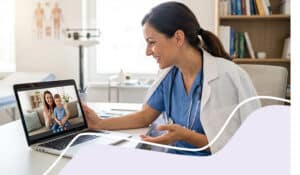
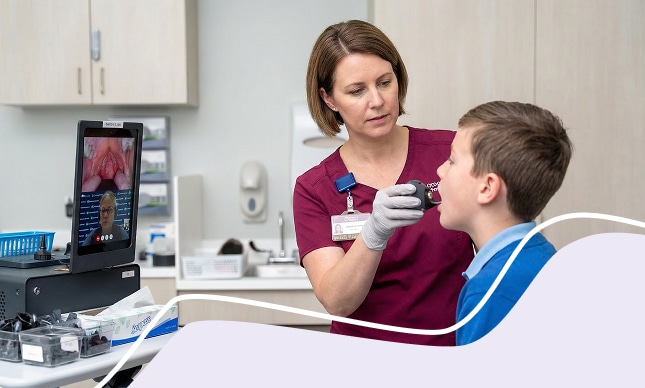
Imagine a student with ear pain. Instead of sending them home or guessing whether they need urgent care, the nurse can perform a remote ear exam with a clinician. Or a child with a lingering cough can get an accurate lung sound assessment without leaving school. Students get answers faster, parents avoid unnecessary trips, and nurses can keep more kids safely in class.
For districts without a full-time nurse, trained staff or telepresenters can use smart exam tools under clinical guidance. This protects students and reduces the burden on educators.
The result is a level of clinical clarity that wasn’t possible before, all without removing the human touch that defines school nursing.
Balancing technology and human care in school nursing
Smart tools succeed only if they preserve the trust students already place in their school nurse. Technology shouldn’t interrupt care. It should fade into the background so nurses can focus on connection, comfort, and clinical judgment.
And for schools with staffing gaps, these tools offer something even more important: equity. Every student deserves access to care, no matter their ZIP code or district resources. A hybrid model of on-site nursing and remote clinical support brings that closer to reality. This blended approach also ensures that students in rural or low-resourced schools receive consistent, high-quality care.
What this future unlocks
When schools modernize the nurse’s office, they unlock:
- More students staying in class
- Fewer avoidable early dismissals
- Better monitoring of chronic conditions
- Smoother coordination between schools and local providers
- Faster access to accurate care
- A more resilient school health system overall
And most importantly, nurses gain more bandwidth to do the work only they can do: caring for students as whole people. It shifts time back into skilled clinical judgment and student support, not administrative strain.
Real examples of smart exams improving student care
Across the country, school nurses and their health system partners are already using smart exams to improve care. Programs with systems like Cone Health and Avel eCare show what’s possible: fewer unnecessary emergency visits, more time in class, and stronger collaboration between schools and clinical teams.
Nurses consistently report the same thing. Technology doesn’t replace their work. It elevates it.
Designing the future of school health with nurses at the center
The nurse’s office of the future is hands-on, high-tech, and deeply human. It’s built around the people who know students best. And it ensures that whether a school has one nurse, five nurses, or a rotating team, every student can access safe, timely care.
As health needs grow, the question isn’t whether schools should modernize. It’s how to ensure that innovation strengthens the profession at the heart of school health. When designed well, smart tools do exactly that: they make school nurses more supported, more effective, and more connected than ever.
The future of school health belongs to the people who’ve always held it together. Technology just helps them reach farther. And with the right tools in place, schools can create a healthier, more equitable future for every child.


Latest Blogs