Please ensure Javascript is enabled for purposes of website accessibility
3RD ANNUAL

School Health Virtual Summit 2026

The School Health Virtual Summit 2026 focused on how US health systems and Community Health Centers are working with school districts and local government to provide school health services that optimize nurse capacity and support students through their healthcare journeys.

Leaders from across the country came together for the third annual School Health Virtual Summit, a 3-hour online event spotlighting how health systems and community organizations are transforming school-based care. 

The Summit featured five speakers from leading health systems, FQHCs, and community health programs who shared how they are expanding access to care for children through innovative school partnerships, strengthening community engagement and continuity of care, and empowering clinicians to extend quality medical care beyond traditional settings. 

The event concluded with an interactive roundtable discussion, where all speakers came together to answer audience questions and exchange insights on the future of school-based virtual care. 

SPEAKERS
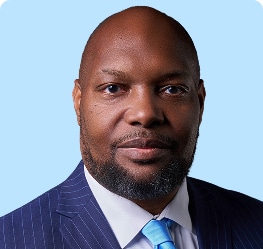
Dr. Craig Glover blue background
Keynote Speaker
Dr. Craig Glover
President & CEO
family care
Read more
Joanna Braunold
Hosted by
Joanna Braunold
Director of Content Marketing & Communications
TytoCare logo
Read more
Dr. John Jenkins
Dr. John Jenkins
Medical Director of 
School-Based Care
Cone
Read more
Stacy Zoucha
Stacy Zoucha
Director of Digital Health and Innovation
Children's Nebraska
Read more
Shelia Freed
Sheila Freed
School Health Director
Avel logo
Read more
Dr. Craig Glover blue background
Dr. Craig Glover
President & CEO
family care

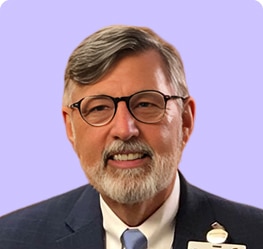
Dr. Craig Glover serves as the president and chief executive officer of FamilyCare Health Centers, a leading community health center in West Virginia. Under Glover’s leadership, FamilyCare provides comprehensive medical, dental, behavioral health, and vision services to approximately 45,500 patients annually. With over 20 years of experience in community health center management, Glover served as CEO of two additional health centers, demonstrating a consistent track record of excellence and innovation in healthcare leadership.

Glover earned a bachelor’s degree, a Master of Business Administration, a Master of Arts in Organizational Leadership, and a Doctor of Education in Organizational Leadership. Glover’s professional certifications include Fellow status with the American College of Healthcare Executives (FACHE), Fellow status with the American College of Medical Practice Executives (FACMPE), and the Community Health Center Executive Fellowship (CHCEF) from the University of Kansas Medical Center.

Glover, a recognized thought leader, served on the U.S. Department of Health and Human Services National Advisory Committee on Rural Health and Human Services. He is committed to community service, serving as chair of the West Virginia Primary Care Association and the United Way of Central West Virginia, as chair-elect of the National School-Based Health Alliance, and as a board member of the West Virginia Symphony.

Glover has been honored with numerous accolades throughout his career, including being named as one of the Five Most Influential FQHC Leaders to Watch in 2025 by Global Healthcare Magazine and a 2021 West Virginia Healthcare Hero, underscoring his dedication to advancing healthcare access and equity.

Joanna Braunold
Joanna Braunold
Director of Content Marketing & Communications
TytoCare logo

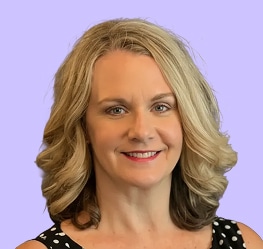
Joanna Braunold leads content and communications at TytoCare, where she focuses on how virtual care can improve access for patients and make care delivery simpler for providers and health systems. As the host of the Access Amplified podcast, she brings forward practical conversations with leaders who are expanding care in smart, sustainable ways. Joanna’s work centers on translating real challenges and real solutions into stories that help the industry move forward with clarity and impact.

Dr. John Jenkins
Dr. John Jenkins
Medical Director of 
School-Based Care
Cone

Dr. John Jenkins serves as the Medical Director of School-Based Care at Cone Health. His primary focus is on enhancing healthcare delivery through innovative telehealth strategies, particularly in school settings. Dr. Jenkins has played a key role in developing and overseeing telehealth programs for Title One elementary schools in Guilford County, through grants from the Duke Endowment and ARPA federal funds.

Before his current position, Dr. Jenkins was involved in academic medicine, where he held the role of Interim Medical Director for an Advanced Practice Professional Fellowship program and contributed to digital health education. His work in this area included special projects in school-based telehealth and remote monitoring for health conditions.

Previously, as the Senior Vice President and Chief Clinical Officer at Connected Care Cone Health, he was responsible for developing ambulatory telehealth strategies. This role involved implementing e-visits and collaborating with MDLive for virtual visits.

In addition to his professional accomplishments, Dr. Jenkins has been active in community leadership, contributing to various organizations and initiatives. His approach to healthcare is centered around leveraging digital health to improve access and equity, always with an eye towards practical and effective solutions.

Stacy Zoucha
Stacy Zoucha
Director of Digital Health and Innovation
Children's Nebraska

Stacy Zoucha, MSN, RN, NI-BC, CPN, CPEN, CPHIMS, CPDHTS is the Director of Digital Health and Innovation at Children’s Nebraska. She serves as the digital health leader for telehealth and telemedicine programs, patient wearables and remote patient monitoring, as well as innovation initiatives across the organization.  Stacy has been with Children’s Nebraska for 27 years and has clinical experience in both critical and emergency pediatric care, spending the last 12 years in Information Technology and Digital Health.  

Shelia Freed
Sheila Freed
School Health Director
Avel logo

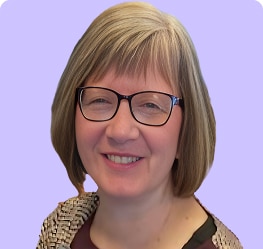
Sheila Freed, BSN, RN, NCSN serves as the School Health Director for Avel eCARE; which provides school nursing and behavior health services via live audio/visual technology to over 135 schools in 12 states. She has been a building nurse, a School Health Supervisor and then the Director of Nurses/School Health Liaison for a public health unit. A strong advocate for children’s health she believes leveraging technology can solve access issues to rural as well as urban schools and provide every student with the opportunity to be healthy and safe at school, regardless of location. She is a 2015 Johnson and Johnson School Health Leadership Fellow and a Nationally Certified School Nurse. She received her BSN from the University of Wyoming.

FEATURING

Children's Nebraska
TytoCare logo
Cone
family care
Avel
ATA

AGENDA

Joanna Braunold TytoCare

Introduction

Dr. Craig Glover President & CEO, FamilyCare Health Centers

Keynote address – Bringing Care to the Classroom: Mobile Healthcare Models for Rural Schools Lessons from the first SBHA-supported rural deployment

Dr. John Jenkins Medical Director of School-Based Care, Cone Health

Building School Health Programs That Last: Choosing the Right Partners from Day One

Sheila Freed School Health Director, Avel eCare

From Then to Now: What Telehealth’s Evolution Has Meant for Schools and Clinicians

Stacy Zoucha Director of Digital Health and Innovation, Nebraska Children’s

Closing Rural Care Gaps in Nebraska: How School Health Programs Expand Access for Kids

Roundtable

familycare_healthcenter

Dr. Craig Glover shared a keynote on why “healthy students are better learners,” and how school-based health has become a critical access point for communities—especially in rural and underserved areas. He walked through what comprehensive school-based health can look like today, including integrated primary care and behavioral health, and emphasized that services alone don’t drive impact without strong care coordination and trusted relationships with families and schools.

Dr. Glover
highlighted the growing role of mobile units and telehealth in extending care to more students and shared how FamilyCare Health Centers is operationalizing this work through medical/behavioral health mobile units that serve multiple schools, illustrating how coordinated, community-connected models can strengthen both health and education outcomes.

“School-based health centers are most effective when school leaders and governing boards recognize their educational value, not just their clinical role. When school-based health center goals are intentionally aligned with the priorities such as attendance, school engagement, and academic success, health services become a strategic asset rather than a standalone program.”


Craig_Glover
Dr. Craig Glover
President and Chief Executive Officer
Cone Health

Dr. John Jenkins shared lessons from Cone Health on how to build school health programs that can withstand change and grow over time. He emphasized the importance of aligning with district leadership—such as superintendents and school boards—rather than relying solely on individual school relationships, and discussed how shared goals, clear communication, and proactive problem-solving help protect programs as they scale. His talk highlighted why durable partnerships are essential to sustaining school health initiatives amid shifting priorities and leadership transitions.

“When we go into the schools, we understand their pain points to arrive around chronic absenteeism, overall attendance, instructional time, preserving that. Not only for the student who’s absent, but understanding when a student is absent, it has a dynamic effect on the entire class.”

Dr.JohnJenkins
Dr. John Jenkins
Medical Director of School-Based Care

Schools nationwide are grappling with a shortage of nurses. NBC News’ Valerie Castro takes a look at TytoCare and how Cone Health are using it in schools to help students get the care they need.

A podcast about the real stories and strategies shaping the future of care with digital health.
Jo Braunold
Hosted by Joanna Braunold
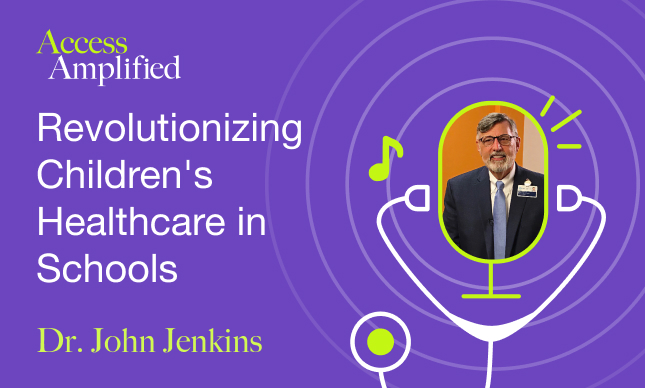
Revolutionizing Children’s Healthcare in Schools

Dr. John Jenkins

Avel

Sheila Freed reflected on more than four decades in nursing to illustrate how dramatically care delivery has changed for clinicians working in rural and school-based settings. She shared firsthand experiences of practicing alone without backup and contrasted those moments with today’s virtual care environmentwhere real-time clinical and emotional support is available when it’s needed most. Her talk underscored why caring for clinicians themselves is essential to sustaining access to care, and how virtual school health programs are helping nurses feel supported, confident, and never truly alone. 

“Telemedicine and that virtual care affects me deep in my bones. And the reason that does is because I have that lived experience of being the school nurse where I had five schools and I could never be in the right place at the right time. I was driving 100 miles a day just to take care of the procedures that I needed to take care of in my South Dakota schools.”

Sheila Freed quote
Sheila Freed
Director School Health

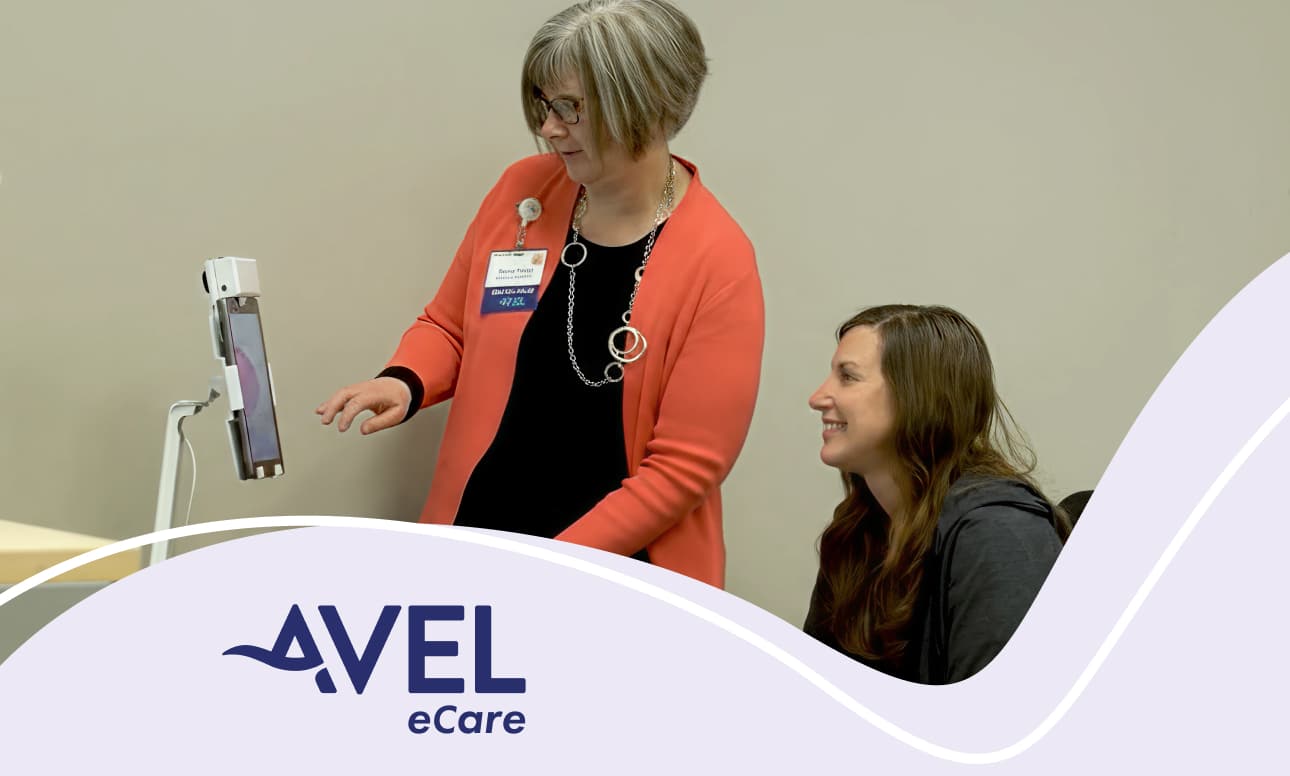
Avel eCare, one of the largest and most comprehensive telemedicine network in the United States, partnered with TytoCare to transform how health services are delivered in schools. They were able to build a scalable, efficient, and deeply compassionate model that ensures students receive high-quality care where they are, without leaving school and without placing additional burdens on already-stretched school nurses and parents. 

avelecarenurse
avelecarenurse
A podcast about the real stories and strategies shaping the future of care with digital health.
Jo Braunold
Hosted by Joanna Braunold
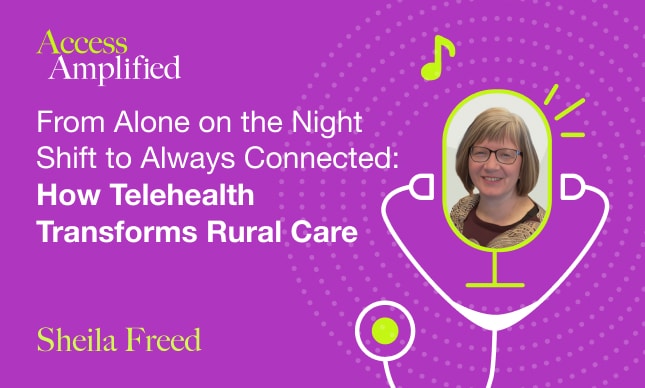
From Alone on the Night Shift to Always Connected: How Telehealth Transforms Rural Care

Sheila Freed

Nebraska Children’s

Stacy Zoucha shared a grounded look at the realities of delivering healthcare across rural Nebraska, where distance, workforce shortages, and limited local resources create significant access barriers for children and families. She explained how school-based health programs help overcome those challenges by bringing care directly into trusted community settings, reducing missed school time and travel burden. Stacy’s presentation highlighted why school health is uniquely positioned to support rural communities and why flexible, locally informed approaches are essential to making these programs work.

“We want to make sure that we’re improving school attendance. We want to make sure that we have immediate access to care for those families that we serve, reducing that financial burden of being able to do some quick virtual care visits without incurring a higher cost of a primary care office visit or potentially a specialist visit.”

stacyzoucha
Stacy Zoucha
Director of Digital Health and Innovation