


Addressing your patient and clinician needs: Improving efficacy and increasing access
- Staff shortages are one of the primary challenges facing healthcare today.
- Virtual care can help alleviate this and other challenges.
- Virtual care with clinical-quality exams alleviates healthcare challenges through better operational efficiency.
- Virtual care with real remote exams enhances provider experience and improves performance indicators.
We need to take care of our employees so they can take care of others.
Dr. Nick Patel
The US healthcare system is coping with numerous challenges, such as rising rates of chronic illness, an aging population, staff shortages, and burnout.
Patients and providers in rural areas face further challenges of access. Digital tools can be used to monitor patients and provide preventive solutions without the need for patients and clinicians to travel.
Healthcare automations prevent care escalation, lower ED transfers, and eliminate manual or redundant tasks. Automations can determine whether in-person intervention is warranted.
Virtual care facilitates the equitable treatment of rural and underserved populations while alleviating the burden on overextended staff.
Satisfaction rates are high among patients and providers who already utilize telehealth.
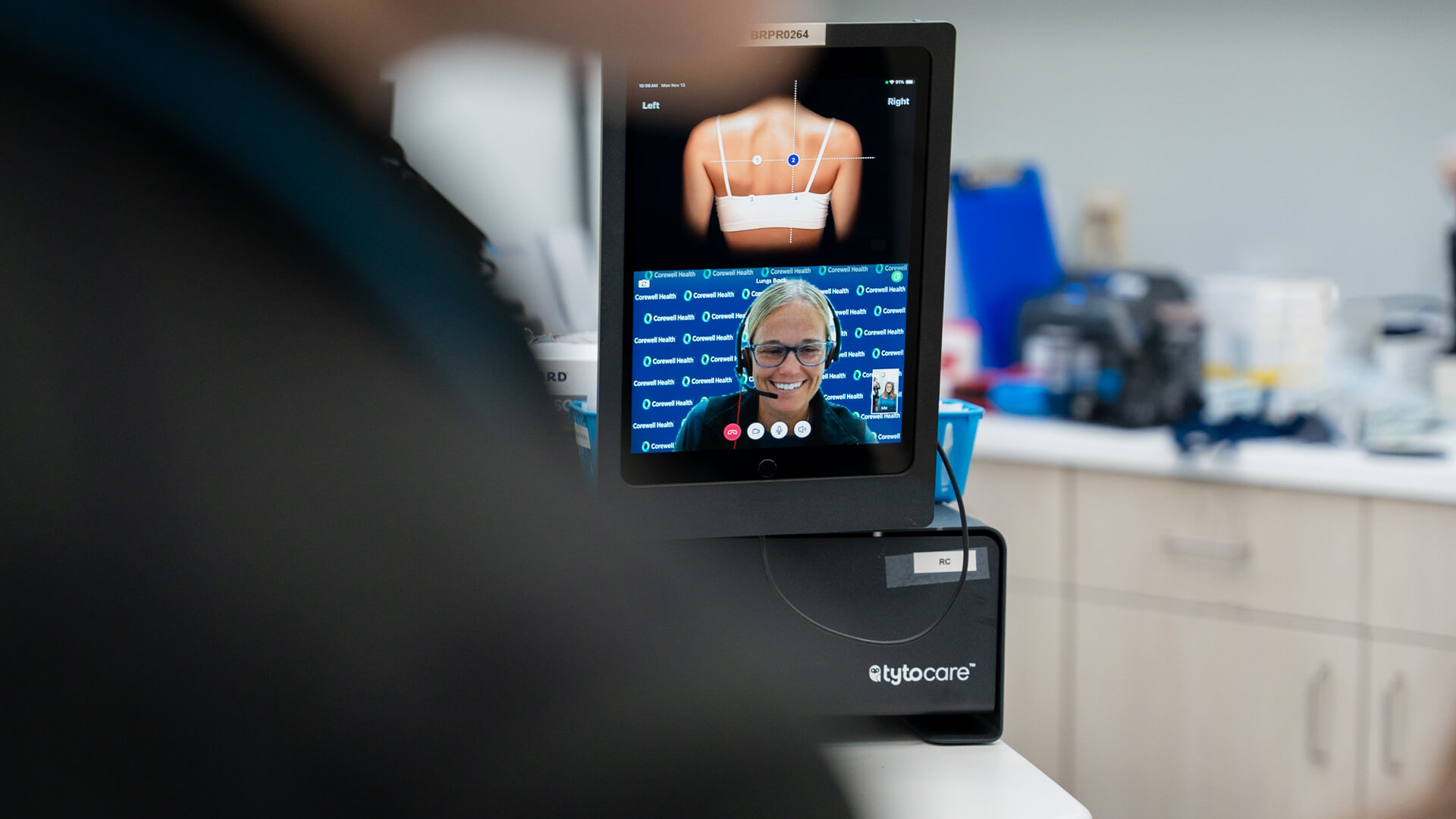
It’s not just video – It’s the ability to really examine the patient and get more information than you would sitting bedside.
Dr. Nick Patel
Virtual care came into the fore during the COVID pandemic, when patients and providers saw firsthand how it kept patients safe while enabling remote chronic care monitoring.
The lifesaving data virtual care provides can yield more accurate care and better chronic disease management.
Integrations with EMRs improve patient outcomes and improve quality of care by yielding provider insights that improve decision making and enhancing the efficiency of in-person appointments.
Clinical-quality virtual care solutions, such as TytoCare, facilitate patients’ health goals for primary and specialty care, as well as allow health systems to meet their performance goals.
Additional use cases include post-discharge care, rural monitoring, preventive screening, caring for at-risk populations, and treating patients with serious health disparities.
While virtual care can address challenges of health equity, diversity, and social determinants of health, other challenges must still be dealt with, such as the digital divide.
Further public policy changes should be promoted to encourage virtual care models.
The enormous expansion in digital health has enabled us to mitigate barriers, maintain access to care, and overcome the challenges of distance and time.
Dr. Karen Rheuban
Healthcare need not be all or nothing. Hybrid models, in which virtual care provides vital patient information between visits, can be an ideal option for providers and patients alike.
Value-based care models prioritize satisfaction with health plans. Virtual care’s innovative and convenient approach is highly regarded by patients and staff.
The right virtual care solution should simplify care, integrate well with existing workflows, provide maximum ROI, and avoid disturbing trusted patient-provider relationships.
Virtual care can expand access to care while maintaining quality. It can increase patient volume without adding to clinician strain.
Wherever patients are seen, the end goal remains the same – Keeping them healthy.
Supporting telehealth is supporting health.
Dr. Nick Patel
Learn more
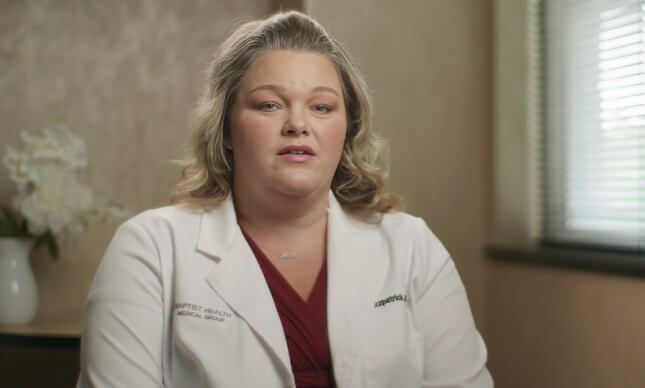
Baptist Health clinicians treat patients remotely with TytoCare
Baptist Health’s nurse practitioner Brittany Fitzpatrick and family medicine physician Tabitha Culver endorse TytoHome as a breakthrough in telehealth, offering a comprehensive, in-home physical exam that was once only possible in a clinic. With TytoCare, healthcare professionals can now listen to hearts, examine ears and throats, and diagnose with precision, all through the device’s guided usage. Patients appreciate the depth of care they receive, feeling truly seen and heard beyond the screen.
The role of telehealth in the future of excellent healthcare for rural areas
Health systems across the United States are investing in a continuous effort to provide equally high-quality healthcare across the regions they cover. This can be challenging when dealing with communities in rural areas, where the current shortage of clinicians adds to existing difficulties in making coverage hard to access. As they strive to provide affordable […]